 class="w-full h-auto"/>
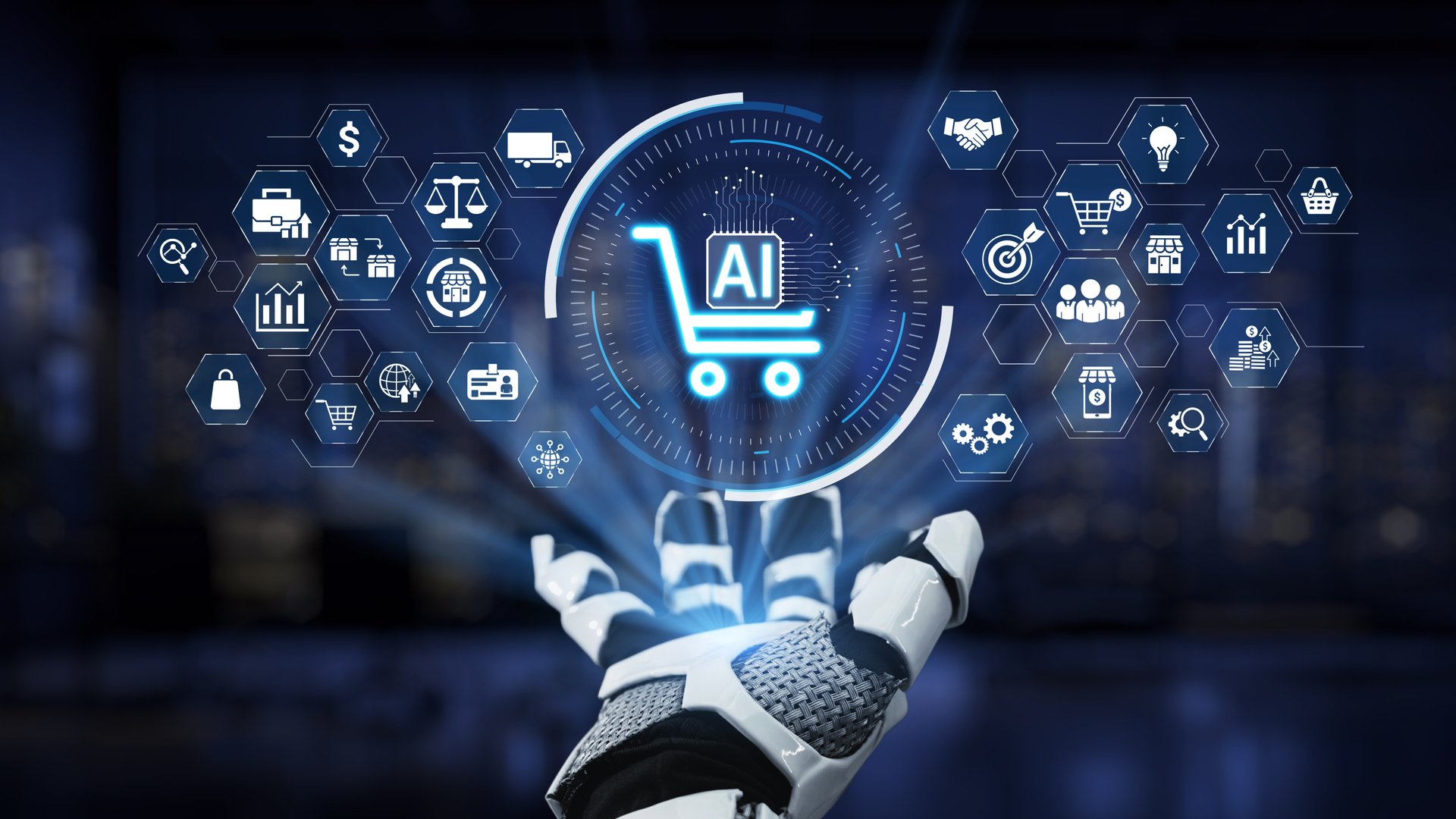
For decades, UK e-commerce success was measured by how well you could "game" a list of ten blue links. In 2026, that era is officially over. Google AI Overviews (SGE) and platforms like SearchGPT have moved the goalposts. They don't just point people to shops; they act as personal shoppers that synthesise data to make a single, definitive recommendation.
Retailers no longer compete for clicks; they compete for citations. To win in 2026, your product data must be structured as "research-grade" content that an AI can use to justify a recommendation.
Key Takeaways
- AI Overviews act as personal shoppers that synthesise data for single recommendations.
- Retailers must compete for citations, not just clicks.
- Product data must be "research-grade" content that AI can justify.
The Core Shift: From Search Results to Curated Answers
Retailers no longer compete for clicks; they compete for citations. To win in 2026, your product data must be structured as "research-grade" content that an AI can use to justify a recommendation. This means moving beyond basic descriptions to provide deep, contextual data that answers the "why" behind a purchase.
"If your product description only tells me what the item is, you've already lost. In the AI era, you must tell the machine exactly who the product is for, which specific problems it solves, and why your brand is the only one it should trust."
, Mark Woodcock, AI SEO Specialist
The New Retail Reality Check
Traditional SEO targets keywords; AI SEO targets intent and authority. When a user asks a complex query like the example below, Google's AI doesn't just look for those keywords. It looks for a brand that has provided enough technical context and authority signals to back up that specific claim.
EXAMPLE USER QUERY
"What's the best waterproof jacket for a rainy commute in London that won't look out of place in a boardroom?"
The AI Difference
The AI doesn't just match keywords like "waterproof jacket London". It synthesises data from multiple sources to recommend the one product that best answers the user's specific, complex needs. Your brand needs to be that source.
The 2026 Retail Tech Stack: Key Visibility Signals
To ensure your products are "readable" by LLMs and Google's AI systems, your technical infrastructure must evolve.
Product Data
❌ Old Approach
Basic Title/Price tags
✓ 2026 Approach
Advanced Schema (JSON-LD) for deep context
Descriptions
❌ Old Approach
Keyword-stuffed blurbs
✓ 2026 Approach
Natural language responses to real user questions
Authority
❌ Old Approach
Backlink quantity
✓ 2026 Approach
E-E-A-T signals and source authority building
Site Speed
❌ Old Approach
Fast for users
✓ 2026 Approach
Optimised specifically for high-speed AI crawlers
How We Bridge the 32-Year Gap
With over 32 years of SEO experience, I've watched the digital shelf transform. My approach isn't just about adding "AI keywords" to your site; it's a fundamental review of your online presence from a machine-learning perspective.
I identify the gaps where your current content is "invisible" to tools like ChatGPT and Perplexity, then use technical SEO to ensure your website meets the requirements of these new systems. This turns your web pages from simple catalogues into authoritative resources that AI platforms prioritise.
Gap Analysis
Identify where your content is invisible to AI tools.
Technical SEO
Ensure your site meets AI system requirements.
Authority Building
Transform pages into authoritative AI-preferred resources.
Proven Results
32+ years of adapting to every platform change.
FAQs: Retail Discovery in the AI Age
Everything you need to know about AI-powered retail
Is my Google Business Profile still relevant for retail?Absolutely, but it's no longer just a map pin. It's a vital data source for local AI search patterns. Smart optimisation ensures your profile provides the "relevance" signals AI assistants use to recommend local stock.
Will AI Overviews kill my organic traffic?They will certainly change it. While top-level "browsing" traffic might decrease, the traffic you do get from AI citations is much higher in intent. These users have already been "pre-sold" by the AI's recommendation.
How does "Source Authority" work in e-commerce?It's about building a reputation that machines can verify. This involves consistent brand monitoring across AI tools and ensuring your brand is mentioned as a trusted source in research-grade answers.

SEO and AI Consultant based in Melton Mowbray, Leicestershire. Working online since 1991. More about Mark.